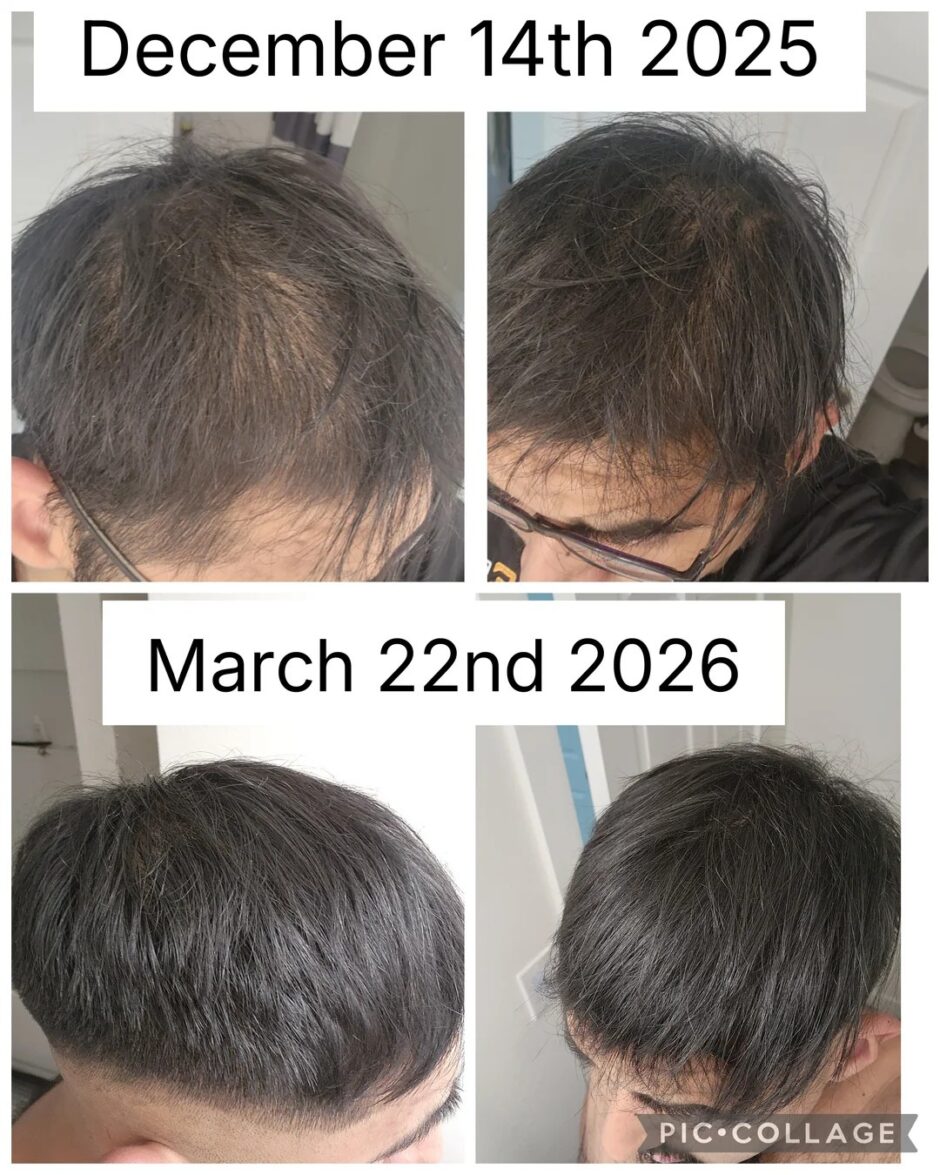
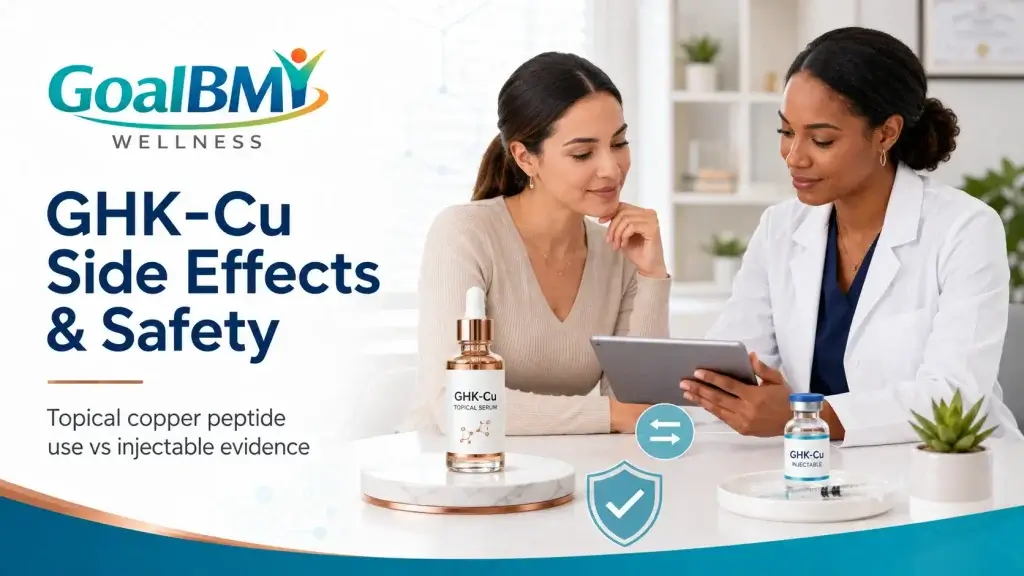
ghk-cu injection vs topical effectiveness
https://24peptides.com/wp-content/uploads/2025/12/Vial-mock-up-BPC-157-20mg.png 6.1Immune Modulation & Immunosenescence Innate and adaptive immune architecture relevant to peptide signaling Thymic involution, immunosenescence and inflammaging Thymosin alpha-1: T-cell and dendritic-cell signaling and its international regulatory footprint Thymalin, thymagen and thymulin: the thymic bioregulator family and their evidence tier Immune assessment: lymphocyte subsets, immunoglobulins, inflammatory markers Vaccination, infection history and immune-status intake questions Contraindication reasoning in autoimmunity, transplantation and active malignancy 6.2Gut Barrier Integrity & Intestinal Permeability Tight-junction biology, zonulin signaling and what permeability testing can and cannot show Larazotide (AT-1001): mechanism and clinical trial history in celiac disease KPV, BPC-157 and vilon in gut-barrier study models Microbiome fundamentals and where peptides sit relative to diet and targeted therapy Structured GI workup before a permeability-framed protocol is started Distinguishing functional GI symptoms from disease requiring gastroenterology referral Lactoferrin, colostrum-derived proteins and other adjunct mucosal agents 6.3Metaflammation & Resolution Pathways Chronic low-grade inflammation as a metabolic, not infectious, phenomenon NF-κB, inflammasome and cytokine signaling targeted in the peptide literature Specialized pro-resolving mediators: resolution as an active process Low-dose naltrexone: mechanism, evidence tier and how it is combined in protocols TUDCA, glutathione and redox-adjacent adjuncts studied in inflammatory protocols Inflammatory biomarker panels and realistic interpretation of hs-CRP, ferritin, fibrinogen Lifestyle inputs — sleep, training load, alcohol, adiposity — as first-line inflammatory levers 6.4Post-Viral, Neuroimmune & Autoimmune Protocol Design Post-viral syndromes: presentation, differential diagnosis and the boundaries of the evidence VIP and ARA-290 in neuroimmune and chronic inflammatory response models CIRS and biotoxin frameworks: how they are presented in the literature and how to evaluate them critically Mast-cell activation presentations and the agents studied in that setting Autoimmune disease: coordination with rheumatology and the risk of immune stimulation Protocol sequencing, wash-out intervals and single-variable change discipline Defining a stop point and a non-responder definition before starting Primary agents taught in this module — 19 named Thymosin alpha-1 Thymalin Thymagen Thymulin Zinc thymulin KPV BPC-157 LL-37 VIP ARA-290 / cibinetide Larazotide (AT-1001) Vilon Chonluten RKH TB-500 / Thymosin beta-4 LDN SPMs TUDCA Lactoferrin Every agent tagged to this module in the Peptide Formulary Module 7 · 4 lessons · 29 topics Neurocognitive, Mood & Sleep Neuropeptide pharmacology taught with blood-brain-barrier realism, psychiatric safety and sleep physiology — not as a nootropic catalog Columbia Undergraduate Science Journal Color:Ivory / Silver - Velvet SKIN CONCERN_Hyperpigmentation
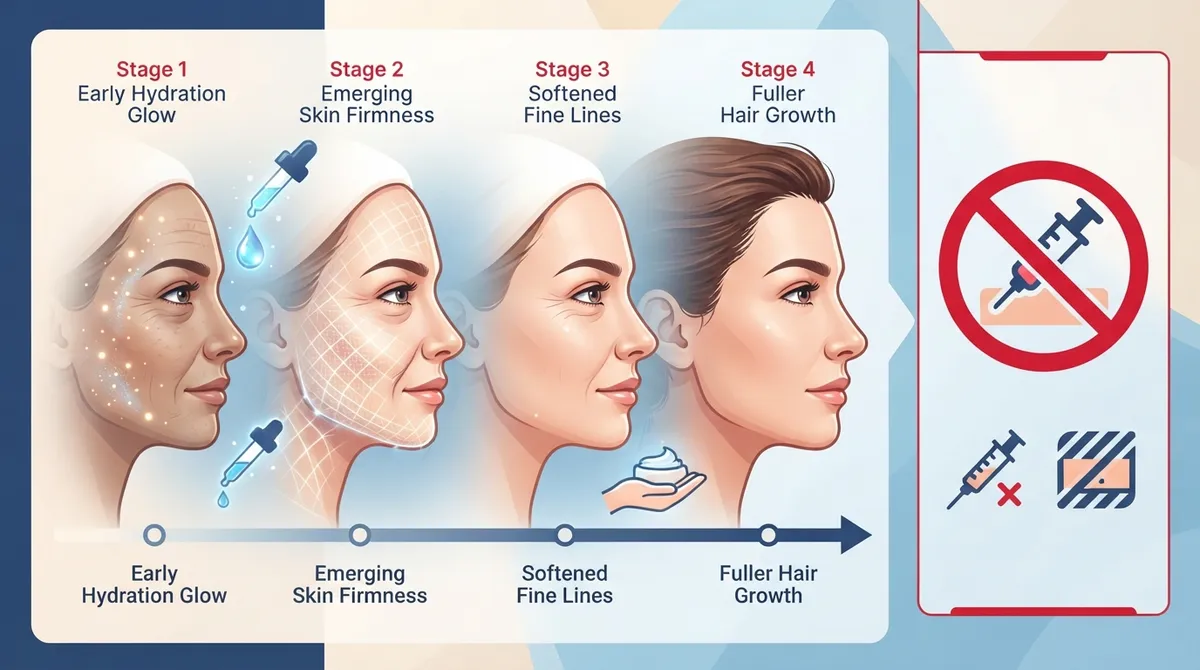
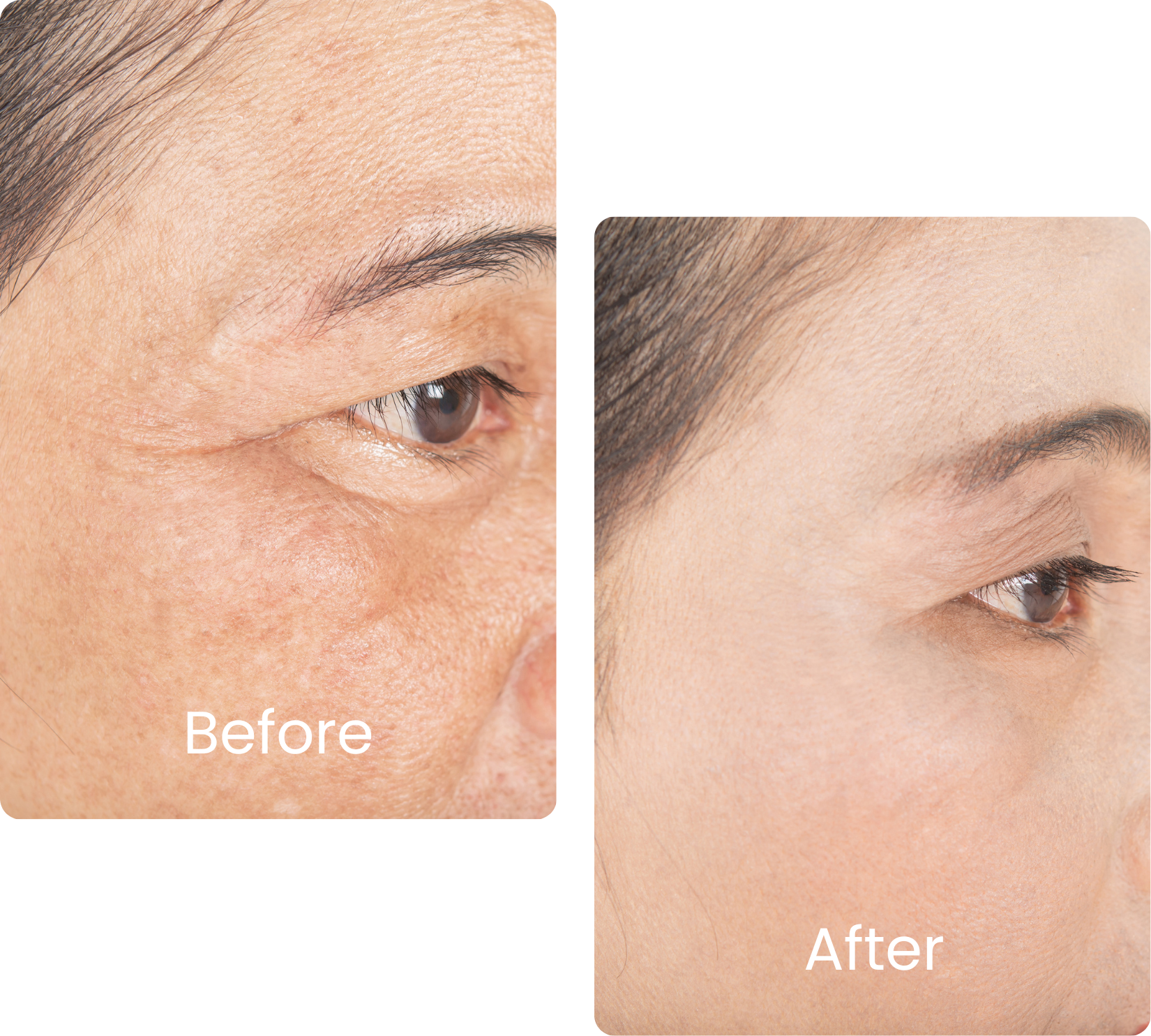
GHK-Cu for Skin Rejuvenation
USD21.43
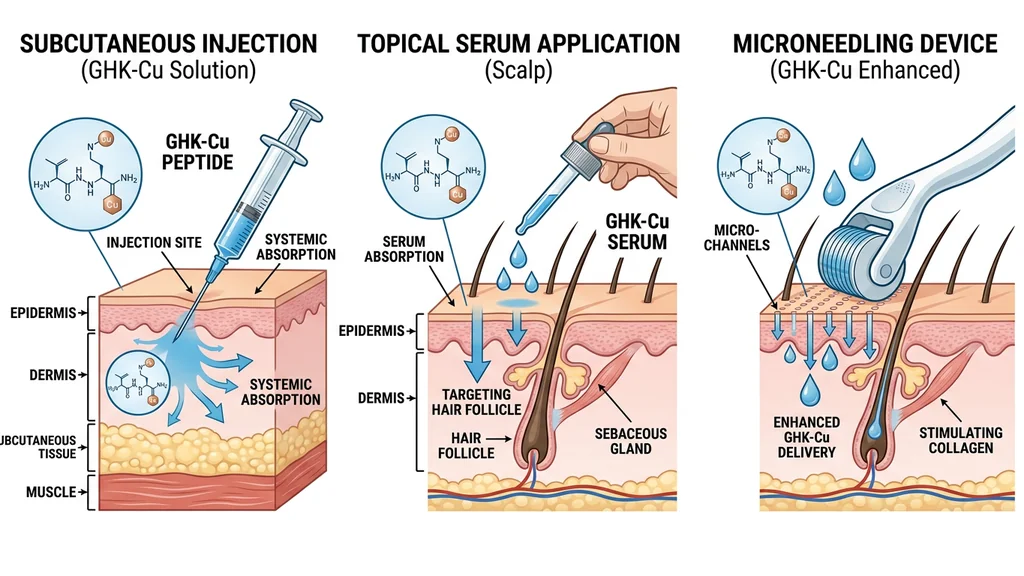
GHK-Cu for Hair Growth: Protocols
USD27.93

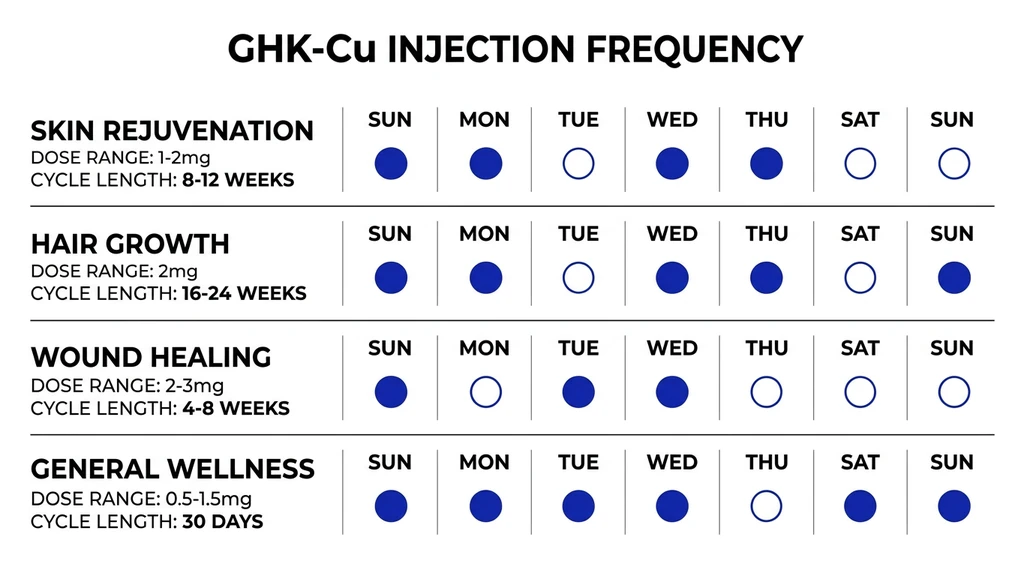
How Often to Inject GHK-Cu
USD25.39
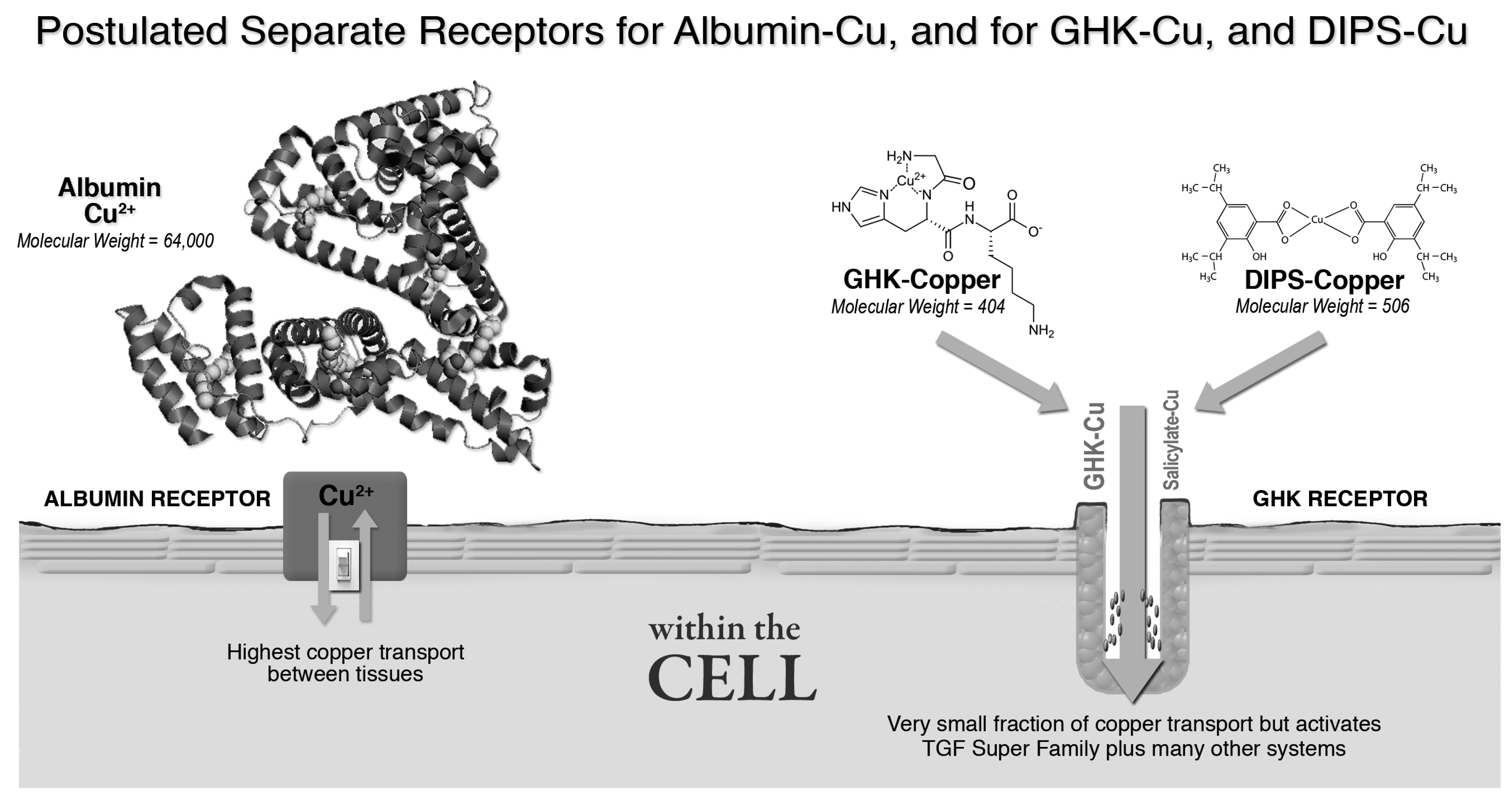

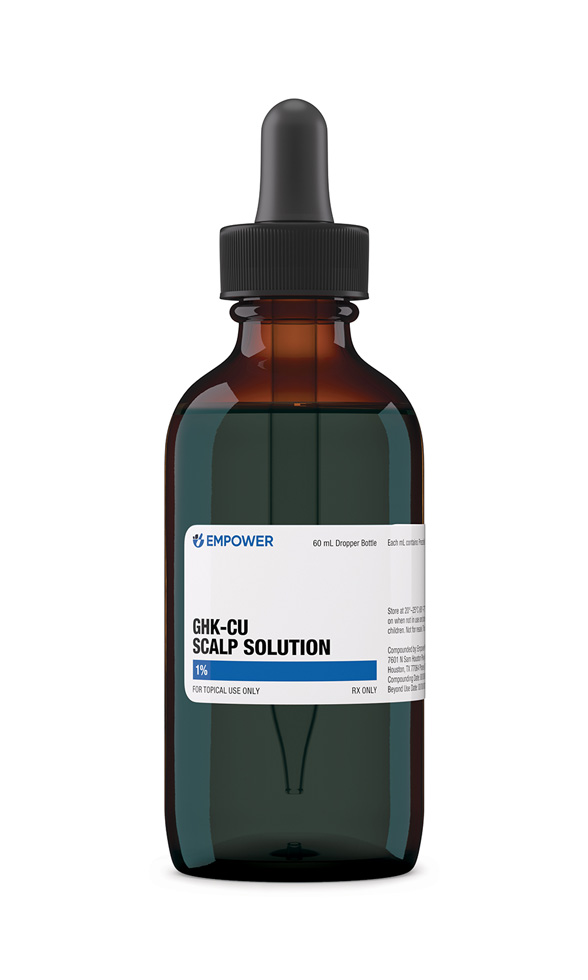
GHK-Cu Scalp Solution
USD27.83

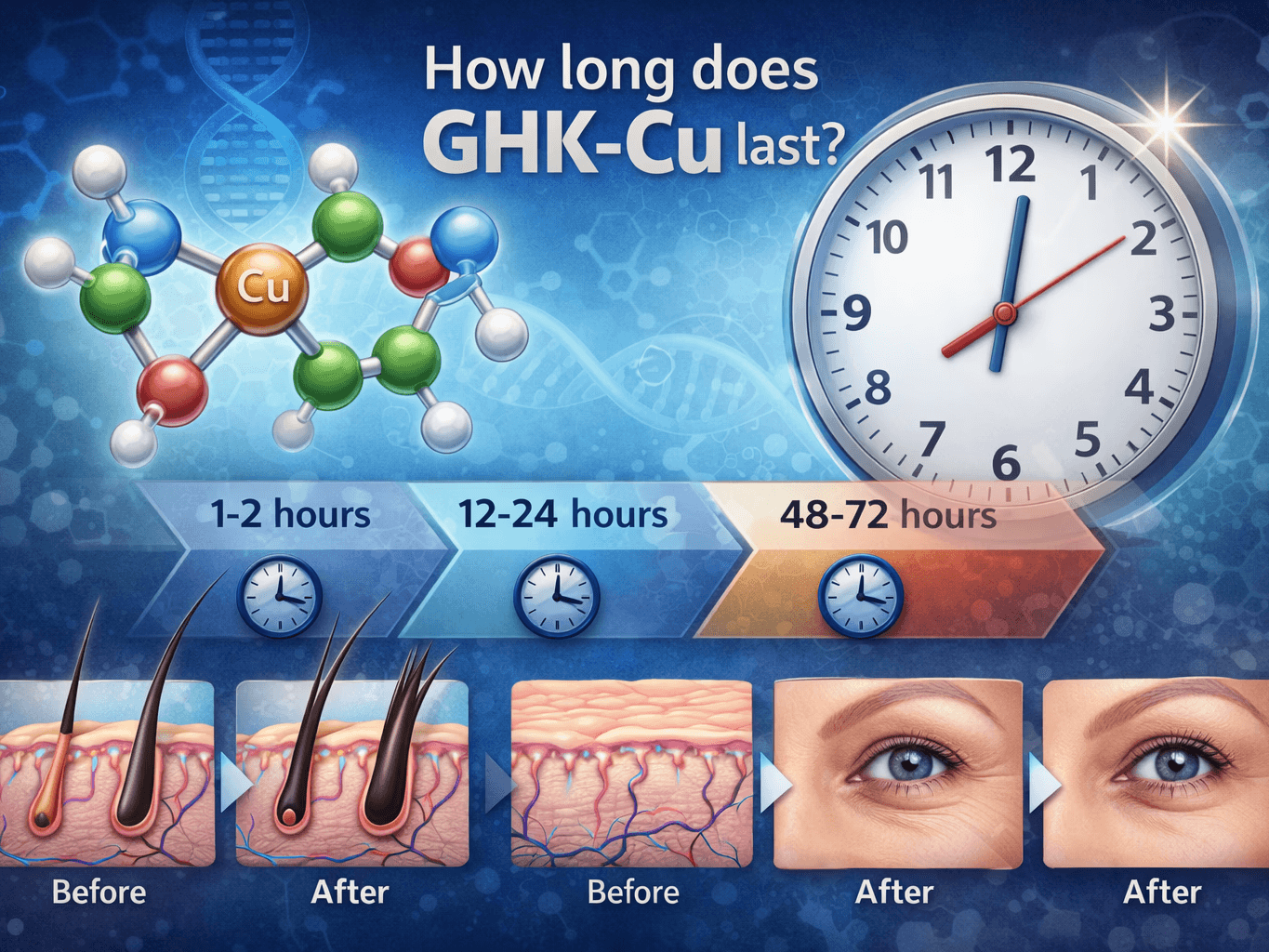
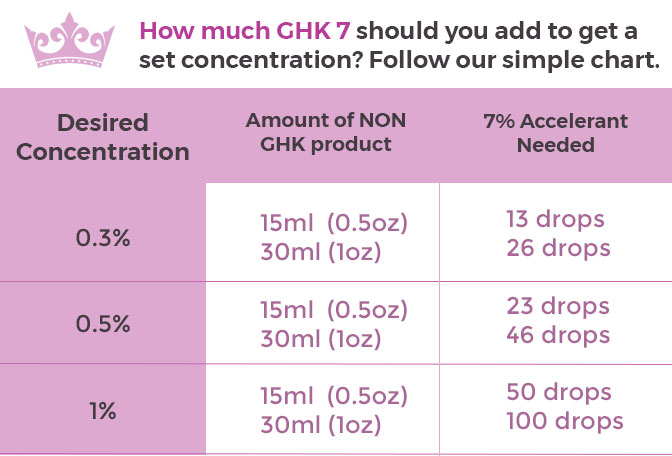
7% GHK-CU ACCELERANT
USD28.23
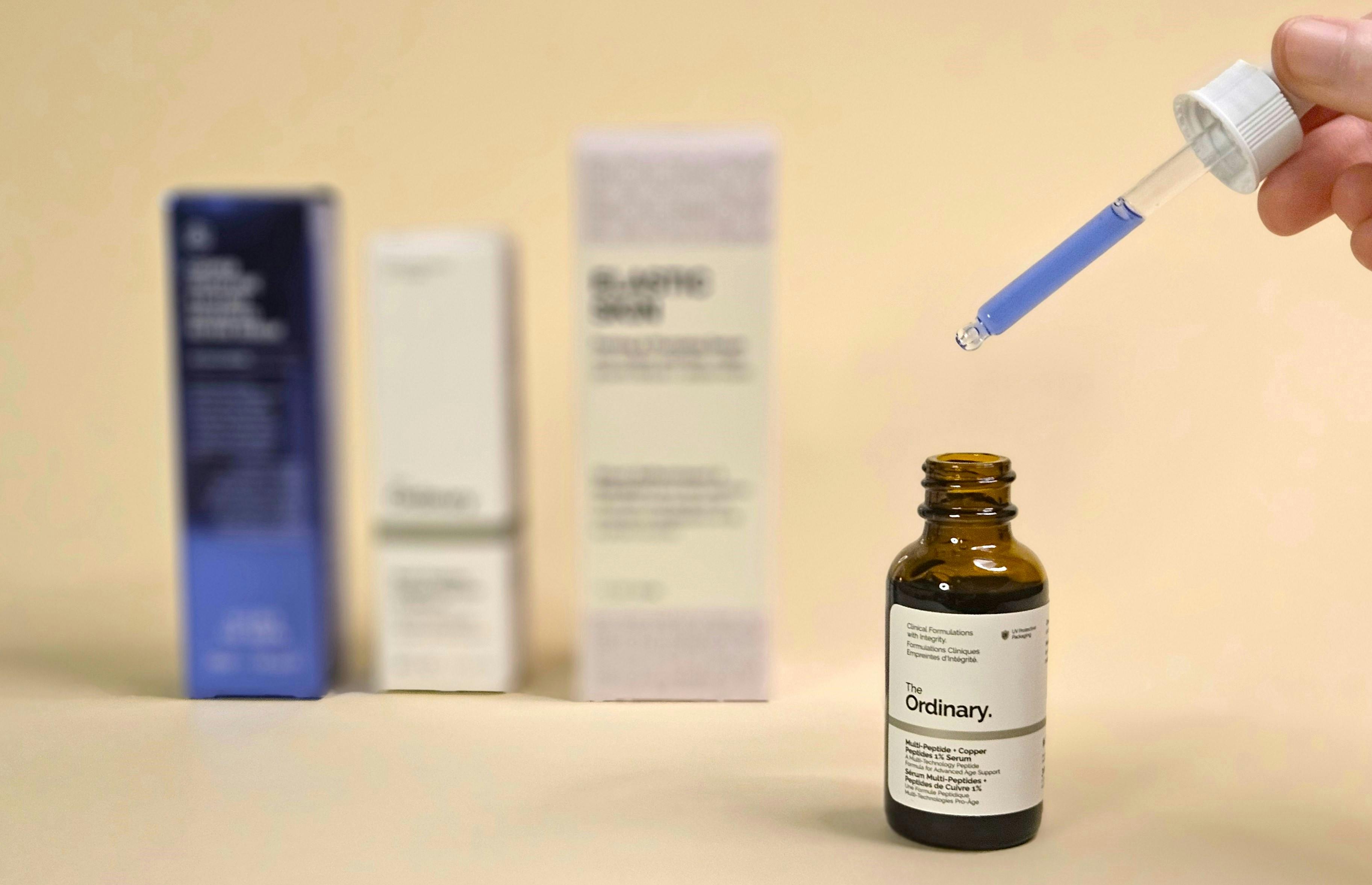
GHK-Cu Peptide
USD24.64
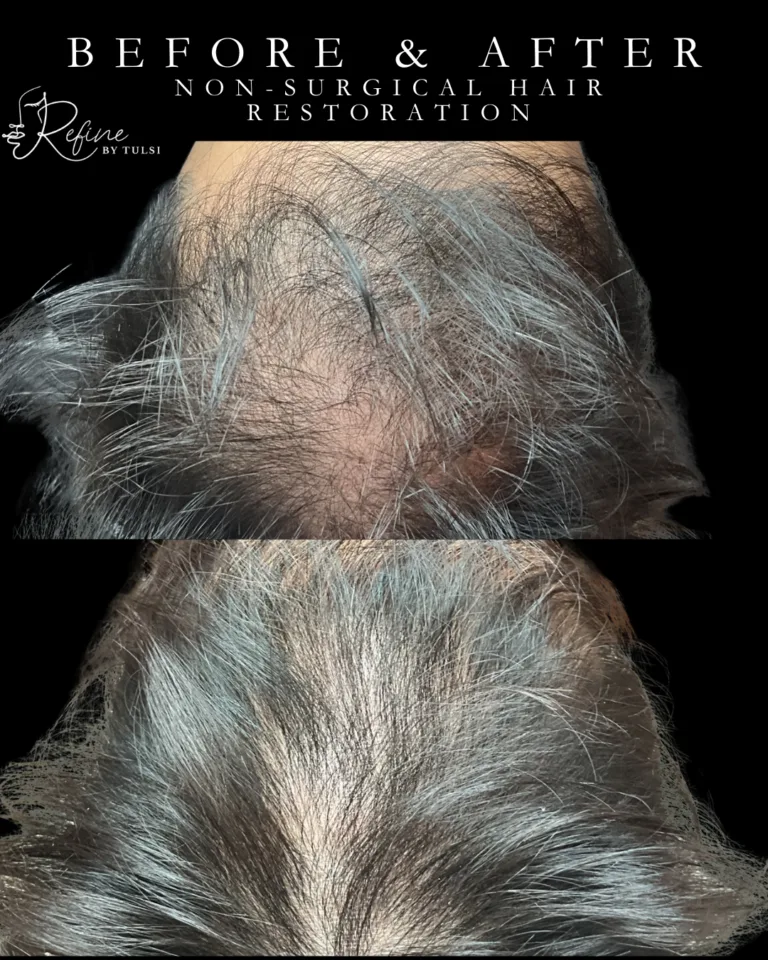
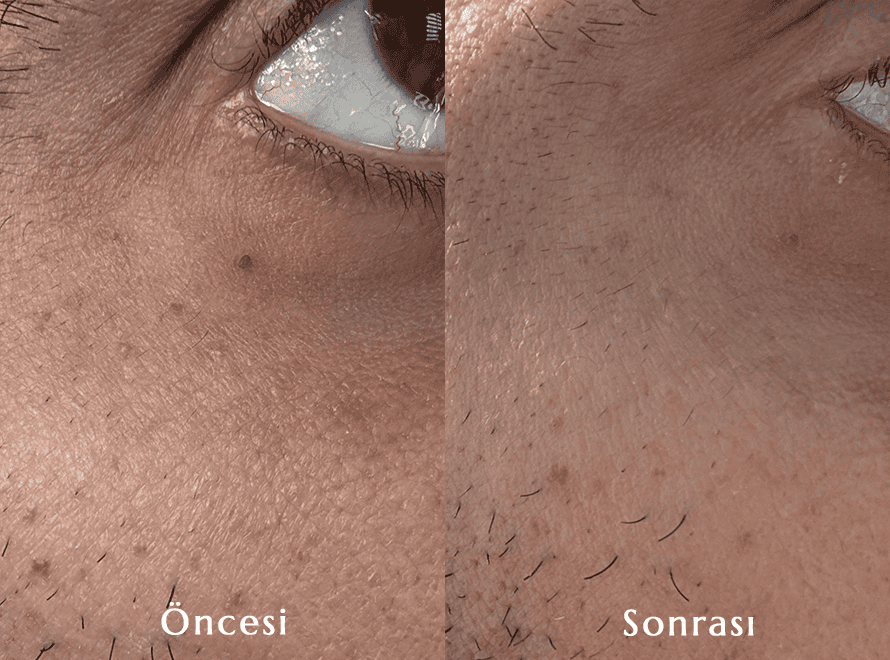
Frequently Asked Questions for ghk-cu injection vs topical effectiveness GHK-Cu Peptides Before and After: Dosage, Benefits & How It Works for Skin and Hair
What should I check before applying store credit to an order?
Do not assume another person's credit can be transferred freely. Avoid entering the same code into unrelated websites or forms.
What should I compare before choosing a bundle instead of individual options?
Do not assume a bundle always costs less than buying only the necessary parts. Do not assume you can return or replace a single part independently.
What should I check before agreeing to a seller's proposed resolution?
Identify the exact issue the proposed action is intended to resolve. If the resolution includes several steps, confirm their sequence.